One application. 1 lender.
Apply Now One application routed to where you qualify.
Every Apply button starts the same single application. Your chosen lender is prioritized first.
One lender in the Smarter Loans network, Spring Powersports, and this page says so plainly because the second question anyone asks about a single lender is whether it is the market or the network. It is the network: marine lending in Canada is a small field, banks do it for strong files, dealers arrange it through a handful of specialist lenders, and one of those specialists is listed here. It finances new, used and private-sale boats, in every province and territory, and the terms are on the card above.
What it publishes: $3,000 to $75,000, rates from 8.99% to 34.95% by credit, terms from one year to fifteen, income of at least $2,000 a month and a credit score of 550 or better, with payout within two days. A bank will beat 8.99% for a borrower with strong credit and a relationship; for everyone else, and for anyone buying privately, this is the product.
Shorter than the lender allows, in most cases. A boat loses value faster than a car in its first years and then holds it, and a fifteen-year term on a boat you will sell in five leaves you owing more than the buyer will pay.
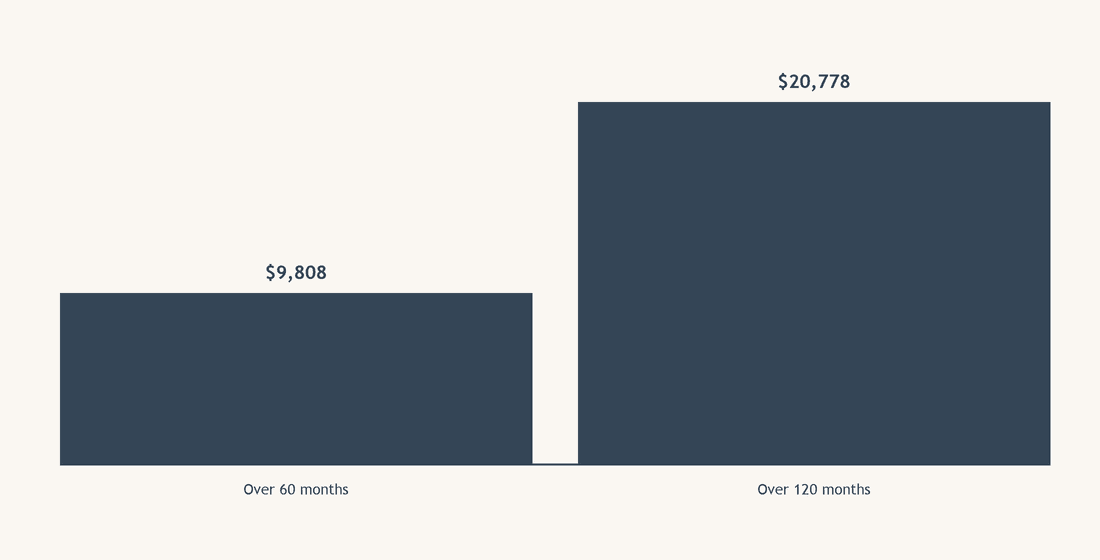
| $40,000 at 8.99% | Monthly payment | Total interest |
|---|---|---|
| Over 120 months | about $506 | about $20,778 |
| Over 60 months | about $830 | about $9,808 |
Use the table to price the term against how long you will keep the boat. Ten years cuts the payment by about 40% and doubles the interest on a $40,000 boat; five years costs $324 a month more and $11,000 less. Match the term to the boat's life in your hands, and prefer a lender that lets you prepay, which is the question to ask before signing since the lender listed publishes nothing on prepayment. The boat loan calculator runs any combination.
More than for a car, because there is no dealer standing behind a used boat and the resale market is seasonal.
A marine survey on anything used. An independent surveyor inspects hull, engine, electrical and safety equipment and states a value. Lenders finance against the surveyed value, not the asking price, and on a private sale the survey is the step that decides the deal. Budget a few hundred dollars and a week.
Registration or licence. A pleasure craft with a motor of 10 horsepower or more must be licensed or registered federally, and a lender registers its security against that record. Transport Canada explains the licensing rules.
A lien search. Marine liens follow the vessel, not the seller. On a private sale the lender will search before it funds and will pay the seller directly.
Insurance. Proof of coverage before funding, and a lender will usually want the policy to name it.
Income and credit. $2,000 a month and a 550 score with the lender listed; the score sets the rate inside the 8.99% to 34.95% range.
Yes to both, and most Canadian boats change hands used and privately. The lender listed finances private sales directly, which is the reason many buyers end up with this lender rather than at a bank. The three steps above, survey, lien search and direct payment to the seller, are what make a private sale fundable; without them a lender has no way to know what it is lending against. Expect two to three weeks for a private-sale purchase against days for a dealer purchase, and expect the term to be scaled to the boat's age.
Rates with the lender listed run from 8.99% to 34.95%, and the whole spread is your credit. A score in the good range gets the floor or close to it; a score near the 550 minimum sits toward the top, because a boat is a poor security for a lender to have to recover and the rate carries that risk. Two things move you down the range that you control: a down payment, ten percent or more, which reduces what the lender has at risk on a depreciating asset; and a shorter term, which does the same over time. A bank will beat the floor for a borrower with strong credit and an existing relationship, and it is worth asking before you apply anywhere, because the bank's rate is the cheapest boat money there is for the people who can get it.
The rate matters less than the term on the total. At 8.99% the ten-year loan in the table costs more than double the five-year one in interest; moving from 8.99% to 12% on the five-year loan adds about $3,600. Get the term right first.
Mooring or storage, winterisation, insurance, and maintenance that runs a meaningful share of the purchase price every year. A lender does not price those in and neither do most first-time buyers. A boat you can afford to buy and cannot afford to keep is the most common way a boat loan goes wrong, and the payment that fits in July has to fit in February when the boat is in a shed and the invoice for its storage arrives.
Motorcycles, ATVs, snowmobiles and jet skis are financed by the same lender on the powersports financing page, and the lender's own profile is at Spring Powersports.
Reviewed by Rafael Rositsan, Co-Founder and CEO, Smarter Loans. Last reviewed 16 September 2026. Lender figures are the lender's published terms as checked September 2026.
The lender finances a specific boat, new or used, against a surveyed value, registers its security on the vessel's licence or registration, and you repay over a term of one to fifteen years. One lender in the Smarter Loans network offers it, from $3,000 to $75,000 at 8.99% to 34.95%, in every province and territory.
The lender listed wants 550 or better and at least $2,000 a month in income. The score sets the rate inside its range; a strong score gets 8.99%, a weak one sits near the top. A bank will beat the floor for a borrower with strong credit and a relationship.
Yes. The lender listed finances private sales directly, with a marine survey, a lien search and payment direct to the seller. Budget two to three weeks and a few hundred dollars for the survey; the loan is written against the surveyed value, not the asking price.
Up to 180 months with the lender listed, but shorter is usually right. $40,000 at 8.99% costs about $20,778 in interest over ten years and about $9,808 over five. Match the term to how long you will keep the boat.
Yes, the boat loan calculator on this site runs any amount, rate and term. Use it to compare the payment and the total at two or three term lengths before you decide.