



When Canadians decide to combine their debts into one loan, how much do they actually ask for? Smarter Loans processes personal loan applications from every province, which gives us a direct view most published debt statistics do not: not what people owe, but what they ask for when they decide to deal with it. This report covers the year ending July 2026, drawn from more than 8,000 consolidation applications.
The national picture
The average consolidation request across Canada was $6,659. For scale, the average request across every other personal loan purpose was about a third of that. Consolidation is where Canadians bring their accumulated balances, so the amounts are larger by nature: a request covers two or three debts built up over years, not one expense. Source: Smarter Loans personal loan applications, August 2025 to July 2026.
Province by province
View as table
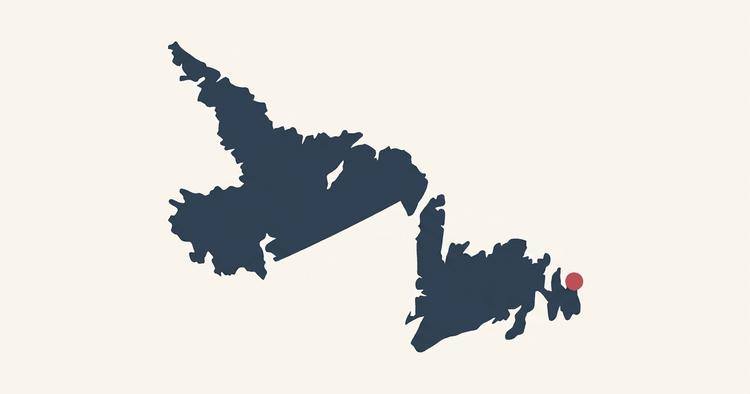
| Newfoundland and Labrador | $7,948 |
| Saskatchewan | $7,123 |
| Ontario | $6,920 |
| Manitoba | $6,491 |
| Alberta | $6,402 |
| British Columbia | $6,392 |
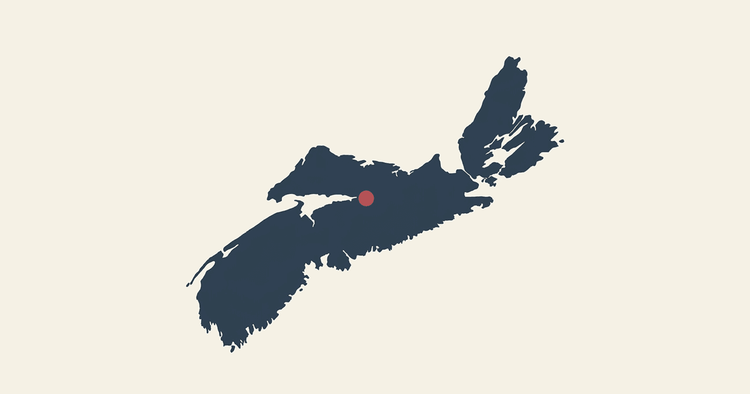
| Nova Scotia | $6,349 |
| Quebec | $6,224 |
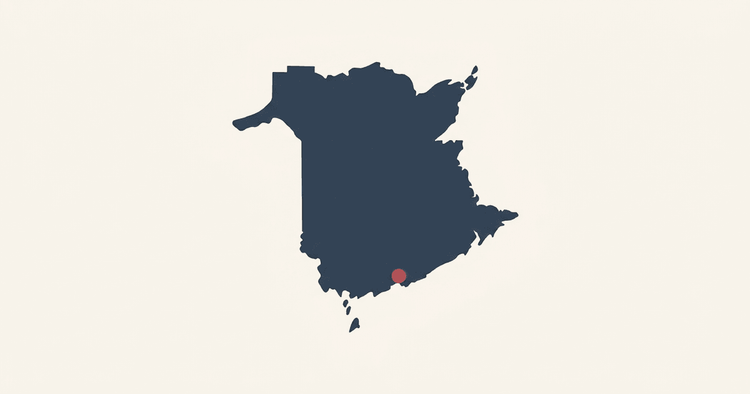
| New Brunswick | $6,133 |
| NT, NU, PE and YT | n/a |
Source: Smarter Loans personal loan applications, August 2025 to July 2026.
n/a marks fewer than 100 applications.
Across Smarter Loans personal loan applications, August 2025 to July 2026:
- Newfoundland and Labrador: $7,948. Leads, more than $1,800 above New Brunswick.
- New Brunswick: $6,133.
- Ontario: $6,920. The largest volume at nearly half of all consolidation applications, near the national average.
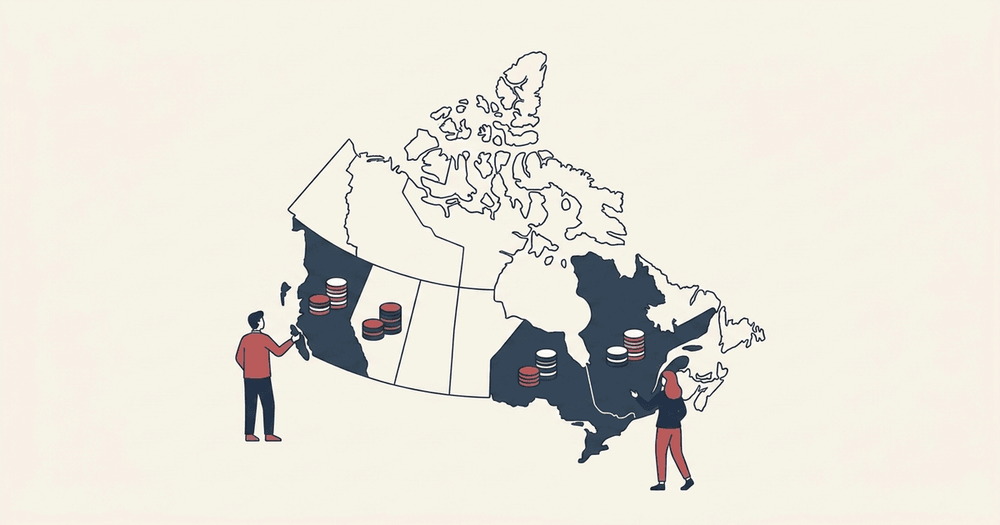
The territories and Prince Edward Island had fewer than 100 applications each and are not shown.
The spread says more about balances than about rules. Consolidation lending works the same way in every province, so provincial differences reflect what people owe and what living costs look like locally, not different laws.
Who asks for the most
View as table
| Full Time | $7,078 |
| Part Time | $4,980 |
| Self Employed | $9,210 |
| Unemployed | $4,932 |
| Retired | $6,682 |
| Disability Income | $4,702 |
| Social Assistance | $2,361 |
Source: Smarter Loans personal loan applications, August 2025 to July 2026.
Across Smarter Loans personal loan applications, August 2025 to July 2026, by income type:
- Self-employed: $9,210. Request the most, consistent with variable income and business-adjacent balances.
- Full-time employed: $7,078. The largest group by far.
- Social assistance: $2,361. Request the least.
A shrinking share of borrowing
Across Smarter Loans personal loan applications, between the year ending July 2025 and the year ending July 2026:
- Consolidation’s share of all personal loan applications: 12.4 percent to 10.6 percent.
- The broader debt-related share, consolidation plus paying off bills: 53.8 percent to 45.4 percent. Over the same periods.
Fewer applications aimed at old debt, more at new purposes: a modest shift toward forward-looking borrowing in this year’s data.
Frequently asked questions
How much do Canadians borrow to consolidate debt?
Across more than 8,000 Smarter Loans consolidation applications from August 2025 to July 2026, the average request was $6,659, about three times the average request for every other personal loan purpose.
Which province asks for the most to consolidate debt?
Newfoundland and Labrador, at $7,948 across Smarter Loans applications from August 2025 to July 2026, against $6,133 in New Brunswick, the lowest province.
Why do consolidation loan amounts differ by province?
Consolidation lending works the same way in every province, so the spread reflects what people owe and what living costs look like locally, not different rules.
Who asks for the largest consolidation loans?
Self-employed applicants, averaging $9,210 across Smarter Loans applications from August 2025 to July 2026, against $7,078 for full-time employees.
About this data
Figures are drawn from Smarter Loans personal loan applications between August 1, 2025 and July 31, 2026, unless a year-over-year comparison states its own periods. Amounts are requested amounts at application, not funded amounts. Averages are used throughout. Provincial figures with fewer than 100 applications are not shown. That is a sample limit, not zero. Smarter Loans has connected more than 2 million Canadians with financing since 2016.
For what these numbers mean for your own borrowing, see debt consolidation in Canada and debt consolidation loans compared. Our other reports from the same application data are collected at Smarter Loans Research.

 Written by:
The Smarter Loans Editorial Team produces in-depth, original content to help Canadians navigate borrowing, credit, and personal finance with confidence.